Already know which one you need? See the real pricing and what we found →
Same-Day Visit or Ongoing Care? Women's Telehealth, Explained
Two real situations, two genuinely different kinds of visits. Neither one is being made up for effect.
What's actually going on?
Click what applies. This sorts which kind of visit fits, it isn't a diagnosis.
A sorting tool, not a diagnosis. Only a licensed provider can tell you what's actually going on.
What it actually is.
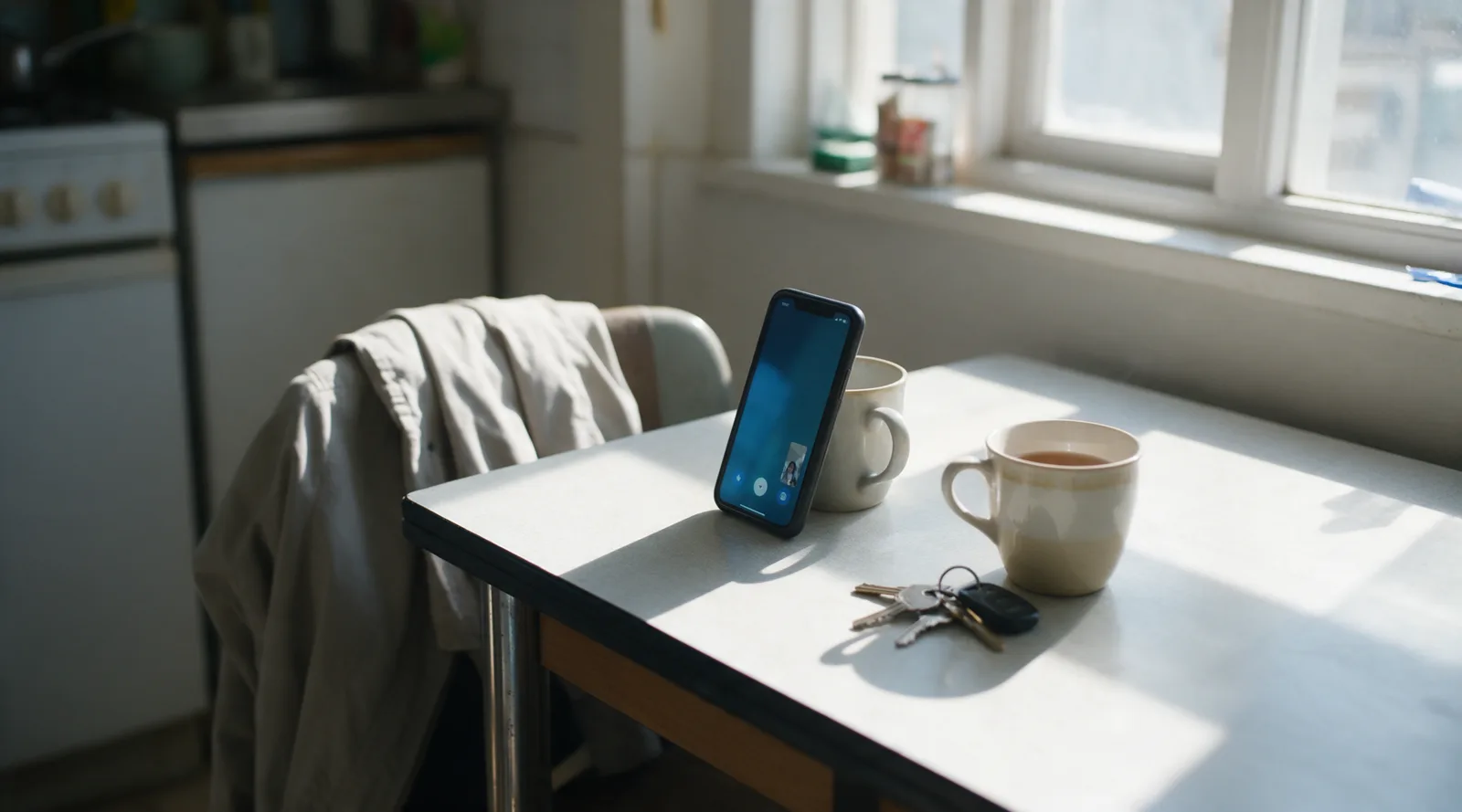
A single real-time video or phone visit with a licensed provider (DNP, FNP, MD, DO, NP, APRN, or PA-C depending on the visit), same day in most cases, no ongoing commitment.
- Online UTI visit — $54 flat
- Birth control consult — $54 flat
- Vaginal or yeast infection visit — $54 flat
- New-patient OB/GYN consult — $105
More than half of women will develop a bladder infection at some point in their lives, per the NIH's National Institute of Diabetes and Digestive and Kidney Diseases — a routine, common reason to need a fast, same-day answer.
What it actually is.

A standing care relationship, not a single visit: same-day access to prescriptions and refills, lab work, and treatment adjustments over time, for two conditions that genuinely benefit from continuity rather than a one-off appointment.
- Menopause & PCOS care plan — $59/month, same-day prescriptions & refills
PCOS affects an estimated 5 to 7 million US women of reproductive age (CDC), and the average age of menopause in the US is 52 (National Institute on Aging) — both common, both often under-addressed in a single short visit.
Here's the part that isn't about Sesame Care at all — it's about the training every provider actually gets.
In a survey of medical residents across family medicine, internal medicine, and OB/GYN programs, published in Mayo Clinic Proceedings, only 6.8% (12 of 177) felt adequately prepared to manage a patient going through menopause. One in five reported never receiving a single menopause lecture during residency.
If a provider has rushed past your symptoms before, this is very likely why, and it isn't a reflection of how clearly you explained it. It's also the real argument for a service built around an ongoing relationship rather than a single ten-minute slot.
Same real credentialing standard, either way.
Both registers route through the same real platform and the same real credential types. The point of the Sorter above isn't to self-diagnose — it's to know which conversation to book first. Real telehealth is also increasingly backed by real evidence for exactly this kind of care: the American College of Obstetricians and Gynecologists notes telehealth has proven effective for continuing oral and injectable contraception, and can reach people for whom in-person specialist care is genuinely hard to access. (ACOG)
Not every visit needs to wait, and not every visit should be rushed.
See the Today visits
Real one-off pricing for UTI, birth control, vaginal/yeast infection, and OB/GYN consults.
See the Ongoing plan
The $59/month menopause & PCOS plan, honestly reviewed, including what "$59/month" actually includes.
Wondering about the access-gap statistic above? Why Don't More Doctors Feel Confident Treating Menopause? →
Wondering if a same-day visit is actually safe for a UTI? Is It Safe to Get a UTI Treated Through Telehealth? →
Not sure which one you're actually dealing with? PCOS or Perimenopause? How to Tell the Difference →
Healthy Health Secrets is reader-supported. This page carries no affiliate links; the review it leads to does, and we say so plainly there. Nothing here is medical advice. See how we check claims like this →